Compare Local Contractors for Water Treatment Service Success
Compare local contractors for water treatment services to define project scope, verify experience, and set clear expectations in writing for a successful outcome.
Water treatment service contractors typically handle a range of tasks related to ensuring water quality and safety for residential and commercial properties. Their work can include installing, repairing, and maintaining systems such as water softeners, filtration units, and disinfection equipment. These professionals often assess the existing water supply, identify contaminants or issues, and recommend solutions tailored to the specific needs of the property. Properly functioning water treatment systems help improve water taste, reduce mineral buildup, and eliminate harmful substances, contributing to healthier water for everyday use.
Defining the scope of work is an essential step when engaging with water treatment service providers. Clearly outlining what needs to be done helps ensure that both property owners and contractors have aligned expectations. This can include specifying the types of equipment to be installed or repaired, the extent of system upgrades, and any necessary assessments or testing. Having a written description of the scope helps prevent misunderstandings, facilitates accurate communication, and provides a basis for evaluating whether the work performed meets the initial requirements.
Property owners can benefit from comparing local contractors to find the right fit for their water treatment needs. When evaluating service providers, it’s helpful to consider their experience with similar systems, the range of services offered, and their reputation within the community. Reviewing credentials, asking for references, and verifying that they understand the specific water quality concerns of the property can aid in making an informed decision. Additionally, obtaining detailed, written descriptions of the proposed work and scope helps ensure transparency and clarity throughout the process.
Compare local contractors by outlining your priorities, verifying experience, and setting clear expectations in writing.
- Compare Service Providers - Review credentials and experience to select the most suitable water treatment contractors.
- Define Project Scope - Clearly outline the work to be done to ensure mutual understanding with local contractors.
- Verify Experience - Check references and past work to assess the expertise of potential water treatment service providers.
- Set Expectations in Writing - Document the agreed scope and details to establish clear communication with local contractors.
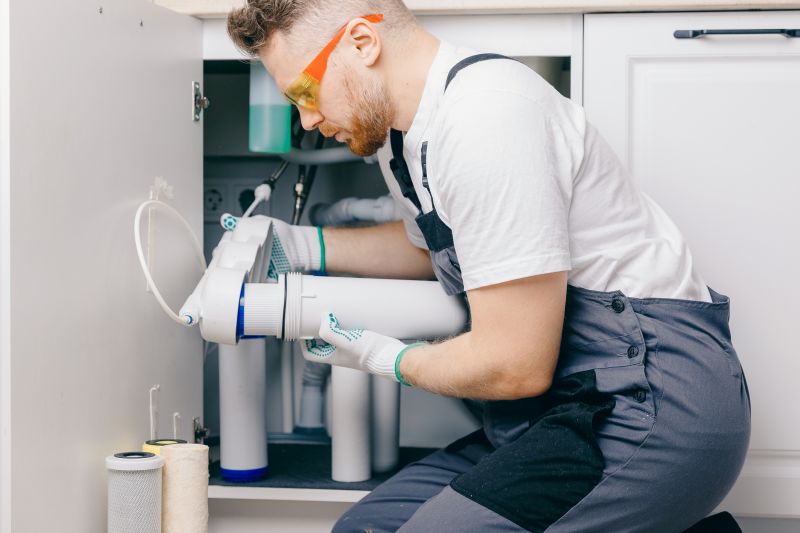
A quick set of checks to help you describe your project clearly before you compare contractors.
- Verify the experience and background of local contractors specializing in water treatment services. - Ensure service providers clearly define the scope of work and treatment methods in writing.
- Compare the credentials and reputation of different local contractors through reviews and references. - Look for detailed descriptions of previous water treatment projects similar to the required service.
- Check that service providers have appropriate equipment and technology for the specific water treatment needs. - Confirm that the scope of work and expectations are documented to prevent misunderstandings.
- Assess the communication style and responsiveness of local contractors during initial inquiries. - Make sure the scope of work and service expectations are outlined in writing before work begins.
- Determine if contractors adhere to local codes and standards related to water treatment practices. - Review the scope of work to ensure compliance with relevant regulations and quality benchmarks.
- Request detailed proposals that specify the treatment process, materials, and service procedures. - Compare proposals to evaluate how well each contractor defines the scope of work and sets clear expectations.
Compare local contractors, clarify project scope, verify experience, and set clear expectations in writing.
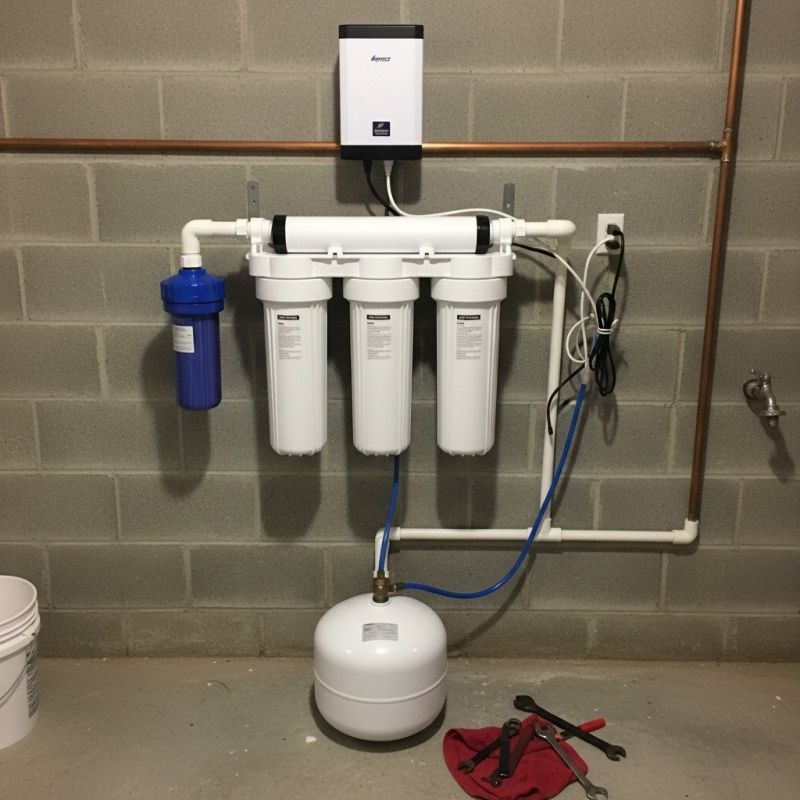
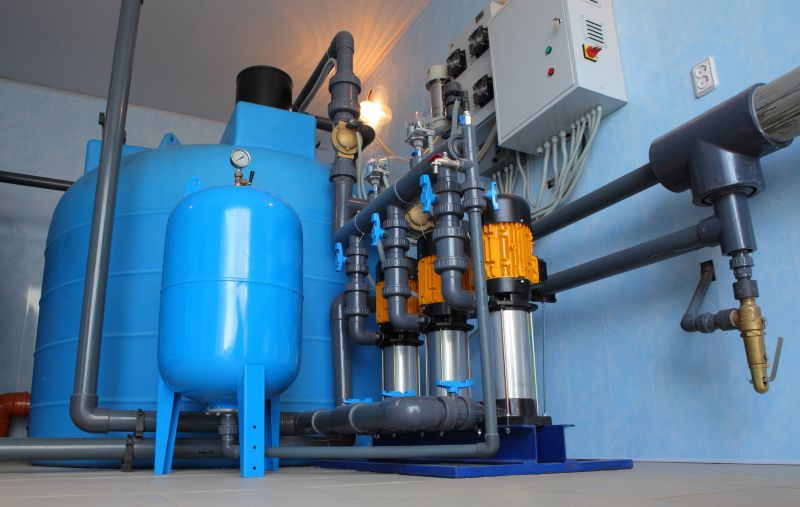
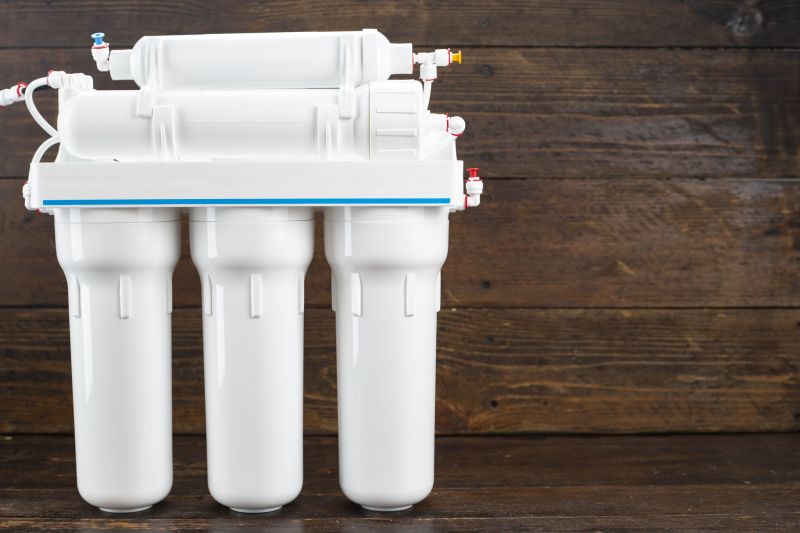
Use clear scope definitions and verify experience to consistently compare local contractors for water treatment services.
- Scope Definition - Clearly outline the specific water treatment services needed, including system installation, maintenance, or repair.
- Experience Verification - Confirm that local contractors have relevant experience with the type of water treatment system required.
- Service Details - Specify the tasks, materials, and equipment involved to ensure a comprehensive understanding of the service scope.
- Work Expectations - Document the expected outcomes, quality standards, and responsibilities for the service providers.
- Written Agreement - Ensure all scope details, responsibilities, and expectations are documented in a formal, written agreement.
When evaluating contractors for water treatment services, it’s important to consider their experience with similar projects. Homeowners should inquire about the types of water treatment systems they have installed and their familiarity with addressing specific water quality concerns. Contractors who have worked on comparable systems or problems are more likely to understand the unique challenges involved and provide solutions tailored to the home's needs. Reviewing a contractor’s background with similar projects can help ensure they possess the practical knowledge necessary for effective and reliable service.
A clear, written scope of work is essential when comparing water treatment contractors. This document should detail the specific tasks to be performed, the materials to be used, and the expected outcomes. Having a well-defined scope helps prevent misunderstandings and sets clear expectations for the project. Homeowners should ask service providers to outline their proposed approach in writing, ensuring that both parties agree on what will be done and how the work will be carried out before any work begins.
Verification basics are key to assessing the reliability of local contractors. Homeowners should verify that the service providers have a history of completing similar projects successfully and that they can provide references or examples of past work. It’s also helpful to confirm that the contractor is experienced with the particular water treatment systems being considered. Asking for proof of experience and checking references can provide insight into the contractor’s ability to deliver quality results and handle the specific needs of the home.
When comparing options for water treatment services, it’s important to focus on the contractor’s experience, the clarity of their written scope, and their verification credentials. Homeowners should ask detailed questions about their previous projects, request written descriptions of the proposed work, and seek references or proof of successful past work. Evaluating these factors can help ensure that the chosen service provider is capable of delivering the desired outcome and that expectations are clearly established from the outset. This approach supports an informed decision without relying on price or timeline considerations.
Ask contractors to provide written scope of work to ensure clarity and consistency throughout the project.
- Experience and Qualifications - What experience do local contractors have with water treatment systems similar to the scope of the project?
- Scope of Work - How do contractors define and clarify the specific services included in their water treatment solutions?
- Materials and Equipment - What types of materials and equipment do service providers recommend and plan to use for the job?
- Process and Approach - How do local contractors approach assessing water quality and determining the appropriate treatment methods?
- Written Estimates and Agreements - Do contractors provide detailed, written descriptions of the work scope and expectations before starting?
What should I consider when choosing a water treatment contractor? It's important to review the contractor's experience, verify their expertise in handling your specific water issues, and ensure they clearly define the scope of work in writing to set proper expectations.
How can I compare different water treatment service providers? Comparing contractors involves evaluating their qualifications, reading reviews or references, and requesting detailed descriptions of the services they offer to understand what is included in each proposal.
What questions should I ask a water treatment contractor before hiring? Ask about their experience with similar projects, the methods they recommend, and whether they provide a detailed written plan that outlines the work to be performed.
Why is it important to have a written scope of work? A written scope helps clarify the services to be provided, prevents misunderstandings, and ensures both parties agree on the expectations and responsibilities for the project.
How do I verify a contractor’s experience in water treatment services? You can request references, review their past projects, or look for any professional affiliations or industry recognition that demonstrate their familiarity with water treatment solutions.
What role does proper documentation play in hiring a water treatment contractor? Proper documentation, including detailed written agreements, helps ensure transparency, clarifies project details, and provides a record of agreed-upon services for future reference.
By exploring the options available, visitors can gain a clearer understanding of how to find reliable contractors for water treatment services. Comparing local service providers helps define the scope of work, verify experience, and set clear expectations in writing, ensuring a well-informed decision-making process. Using the quote form allows for straightforward comparison among nearby contractors, making it easier to identify the best fit for specific needs.
Taking the time to review and compare local contractors for water treatment ensures that expectations are aligned and scope is clearly outlined. The quote form provides a convenient way to connect with service providers who can handle the job, helping to facilitate an informed selection process. This approach supports making confident choices based on available options in the area.