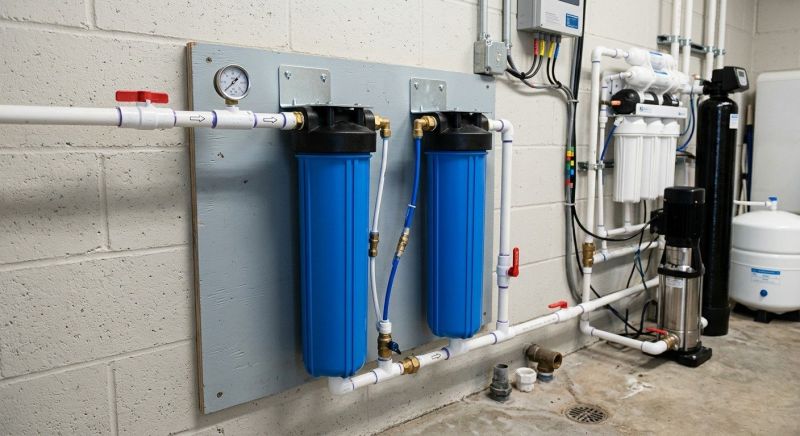
Carbon Filter Installation in Austin, TX
Carbon filter installation services are designed to improve indoor air quality by removing odors, gases, and airborne contaminants from ventilation systems. These services are commonly requested for projects such as upgrading existing HVAC systems, installing new air purification units, or addressing specific issues like pet odors, cooking smells, or chemical fumes. Property owners often seek information about the types of filters available, the compatibility with their current systems, and the benefits of incorporating carbon filtration to ensure healthier indoor environments.
Before requesting carbon filter installation, property owners typically want to understand the scope of the project, including which areas will benefit most and whether existing ventilation systems need modifications. Clarifying the expected maintenance requirements and lifespan of the filters can also help in making informed decisions. Knowing the specific odors or pollutants to be addressed can guide the selection of the most effective filtration options, ensuring the system is tailored to meet the unique needs of the property.
Many property owners in Austin, TX look into Carbon Filter Installation for repairs, replacements, upgrades, and appearance-related improvements.
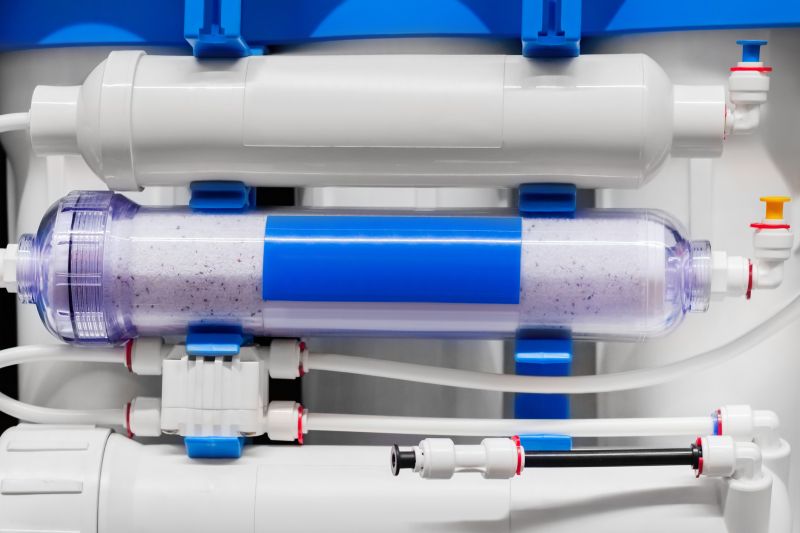
Enhancing Indoor Air Quality
Carbon filters help remove odors, pollutants, and airborne particles for a cleaner home environment.
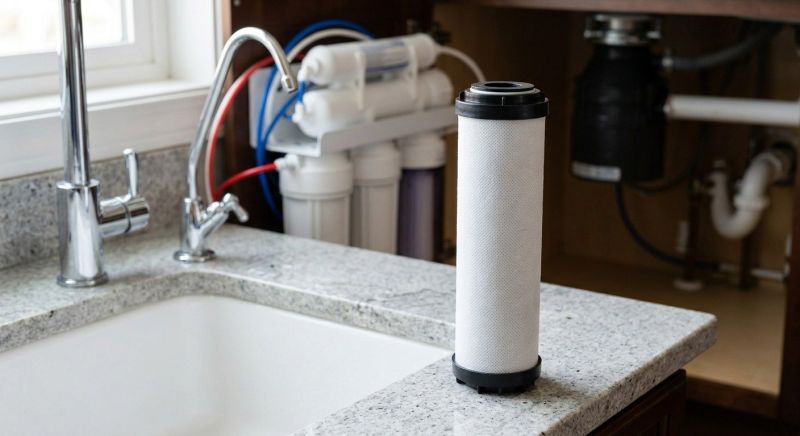
Customized Filter Solutions
Installation services can tailor carbon filter systems to suit different hvac setups and property sizes in austin, tx.
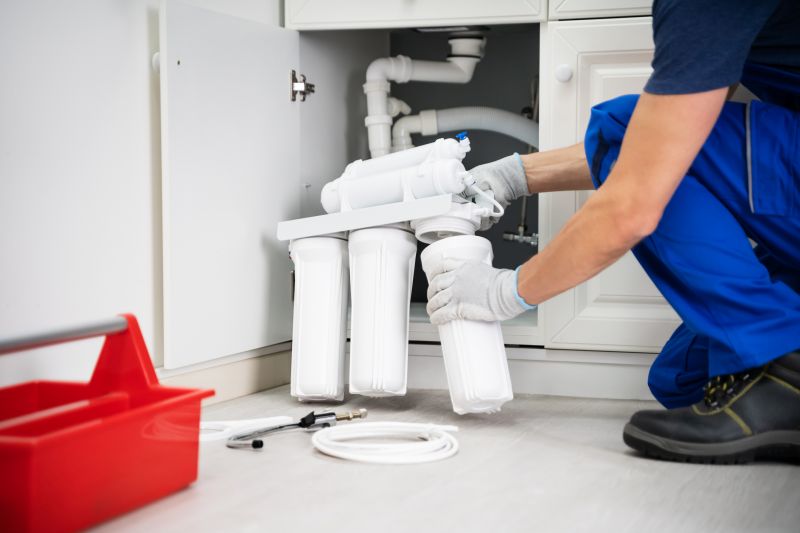
Maintenance And Replacement
Regular upkeep ensures optimal performance and longevity of carbon filtration systems in residential and commercial spaces.
Carbon Filter Installation in Austin, TX

Carbon filter installation services are designed to improve indoor air quality by removing odors, gases, and airborne contaminants from ventilation systems. These services are commonly requested for projects such as upgrading existing HVAC systems, installing new air purification units, or addressing specific issues like pet odors, cooking smells, or chemical fumes. Property owners often seek information about the types of filters available, the compatibility with their current systems, and the benefits of incorporating carbon filtration to ensure healthier indoor environments.
Before requesting carbon filter installation, property owners typically want to understand the scope of the project, including which areas will benefit most and whether existing ventilation systems need modifications. Clarifying the expected maintenance requirements and lifespan of the filters can also help in making informed decisions. Knowing the specific odors or pollutants to be addressed can guide the selection of the most effective filtration options, ensuring the system is tailored to meet the unique needs of the property.
Many property owners in Austin, TX look into Carbon Filter Installation for repairs, replacements, upgrades, and appearance-related improvements.
Common Carbon Filter Installation Jobs
Residential Air Quality - carbon filter installation improves indoor air freshness by reducing airborne contaminants.
HVAC System Upgrades - integrating carbon filters into existing systems enhances odor control and air purification.
Commercial Property - customized filter solutions help maintain a healthier environment in business spaces.
Kitchen Exhausts - installing carbon filters reduces cooking odors and airborne grease in kitchens.
Basement Ventilation - filters help remove musty smells and improve overall air quality in lower levels.
Air Purifier Replacement - upgrading or installing new filters ensures ongoing effective odor and pollutant removal.
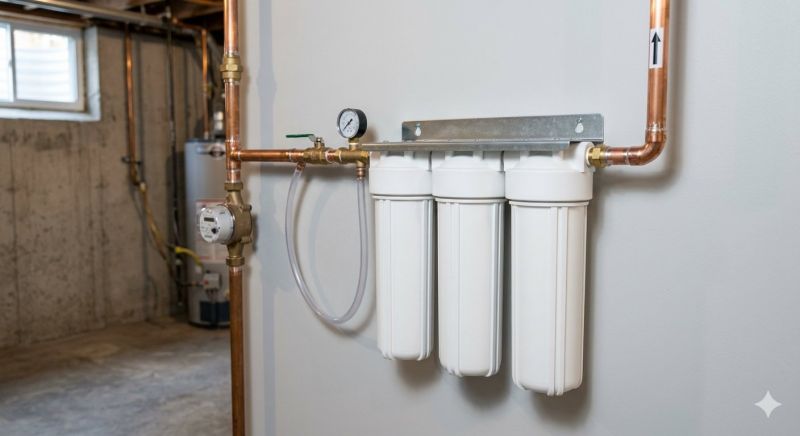
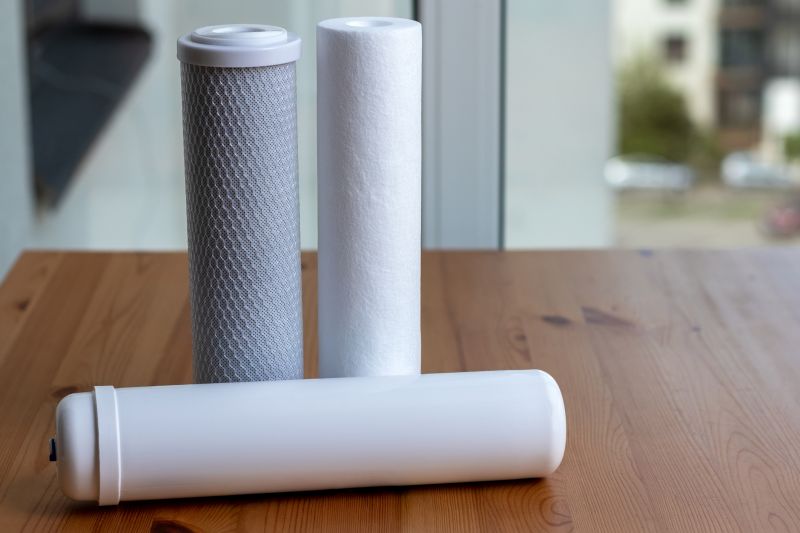
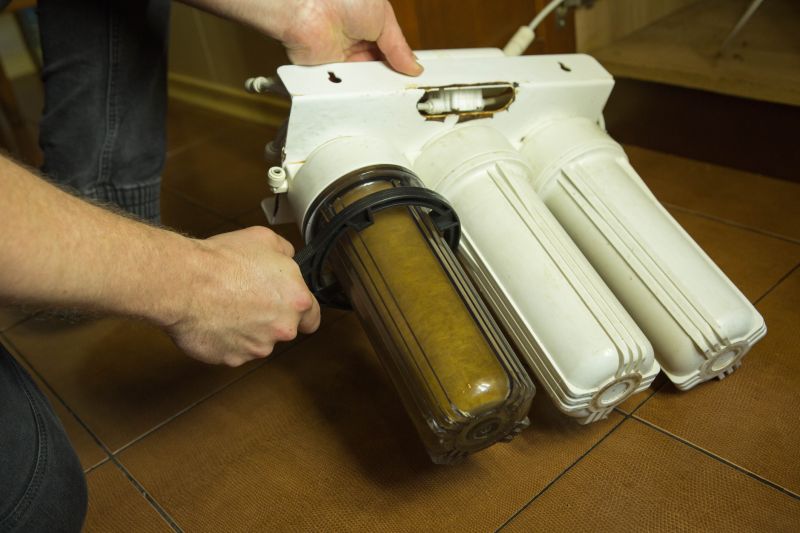
Carbon Filter Installation Questions
What is a carbon filter? A carbon filter is a device that removes odors, gases, and airborne contaminants from the air using activated carbon media.
Where are carbon filters typically used? They are commonly installed in HVAC systems, kitchen ventilation, and indoor air purification setups to improve air quality.
How often should a carbon filter be replaced? Replacement frequency depends on usage but generally ranges from three to six months for optimal effectiveness.
What signs indicate a carbon filter needs replacement? Reduced odor control, increased airborne smells, or visible buildup on the filter are common indicators.
Request Carbon Filter Installation in Austin, TX
Use the quote form on this page to share the basics of your project and request more information for the type of work you need.