Get Water Softener Installation
Water softener installation services help property owners eliminate hard water problems by installing systems that reduce mineral buildup and improve water quality.
Property owners exploring water softener installation often seek practical solutions to improve water quality and protect plumbing systems. Hard water can cause scale buildup, reduce the lifespan of appliances, and impact the effectiveness of household fixtures. Local contractors specializing in water treatment systems can help assess specific needs and recommend appropriate equipment to ensure cleaner, softer water throughout the property.
For those planning such projects, comparing options among nearby service providers can be a helpful step. Local contractors have experience working with various property types and water conditions, making it easier to find tailored solutions. Continuing to explore available services can lead to finding the right professionals to handle water softener installation efficiently and effectively.
- Water Softener Installation - when hard water causes mineral buildup in plumbing and appliances.
- Water Softener Replacement - if existing systems are outdated or no longer effectively soften water.
- Whole House Water Softening - to improve water quality throughout a home experiencing widespread hard water issues.
- Custom Water Softening Solutions - for homes with unique water quality challenges requiring tailored systems.
- Water Softener System Maintenance - to ensure optimal performance and longevity of installed softening units.
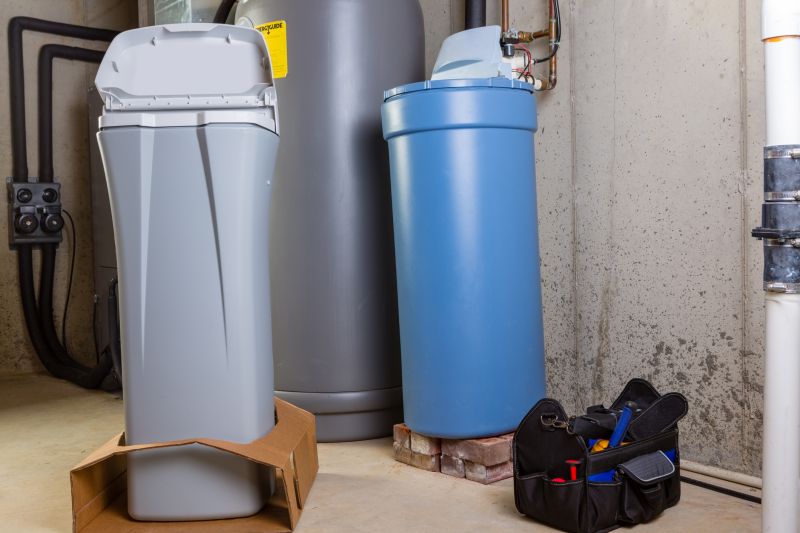
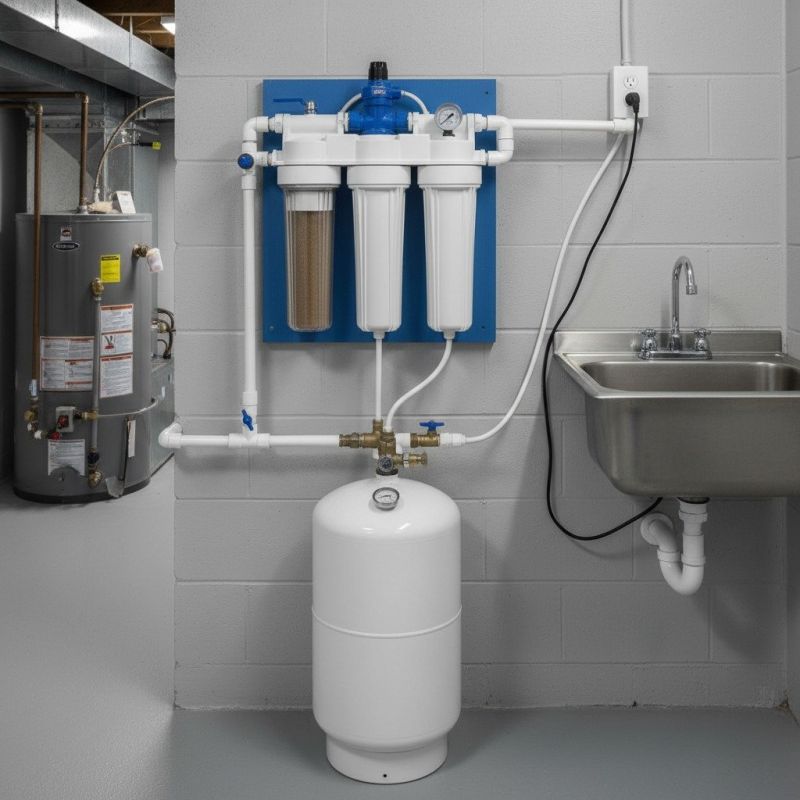
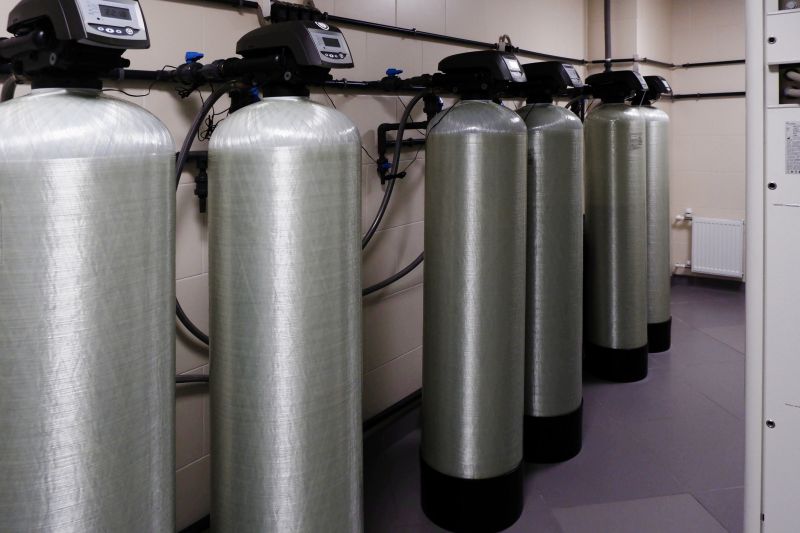
Water softener installation services involve setting up specialized systems that treat hard water, which contains high levels of minerals like calcium and magnesium. These systems typically use resin tanks and salt-based or alternative regeneration methods to remove mineral buildup from the water supply. Proper installation ensures the softener functions effectively, helping to improve water quality throughout a property. Homeowners interested in this service often seek professional assistance to ensure the system is correctly set up, calibrated, and integrated with existing plumbing.
Hard water can cause a variety of problems in a home, including scale buildup in appliances, reduced efficiency of water heaters, and soap scum on dishes and fixtures. Over time, mineral deposits can clog pipes and damage appliances, leading to costly repairs or replacements. Water softener installation helps address these issues by reducing mineral content, resulting in smoother, cleaner water. Many property owners notice a significant difference in water quality and appliance performance after a professionally installed water softening system.
This service is commonly used in residential properties, especially those located in areas with naturally hard water. Single-family homes, multi-family buildings, and even some small commercial properties may benefit from water softener installation. Homes with visible mineral deposits, soap scum buildup, or frequent plumbing issues related to mineral scaling are often good candidates. An evaluation by a local service provider can determine if a water softener is a practical solution for improving water quality and protecting plumbing systems.
Professionals who handle water softener installation are equipped to assess a property’s specific needs and recommend the right type of system. They can install systems in various property types, ensuring proper connection to the main water line and correct operation. Whether a home needs a standard salt-based softener or a more advanced alternative system, local contractors can provide the expertise necessary to deliver reliable results. Contacting experienced service providers can help property owners find the right solution to improve water quality and extend the lifespan of plumbing and appliances.
The overview below groups typical Water Softener Installation projects into broad ranges so you can see how smaller, mid-sized, and larger jobs often compare in your area.
In many markets, a large share of routine jobs stays in the lower and middle ranges, while only a smaller percentage of projects moves into the highest bands when the work is more complex or site conditions are harder than average.
Smaller Repairs - Minor water softener repairs or adjustments typically cost between $150 and $400. Many routine service jobs fall within this range, depending on the specific issue and parts needed.
Full Installation of a Water Softener - The cost for installing a new water softener system usually ranges from $1,000 to $3,000. Most projects in this category are straightforward and tend to stay within this middle range.
Upgrading or Replacing an Existing System - Replacing an outdated or inefficient water softener can cost between $1,200 and $3,500. Larger, more complex upgrades may push beyond this range, but such projects are less common.
Complex or Custom Water Softening Solutions - Custom or high-capacity systems for large properties can exceed $5,000. These projects are less frequent and typically involve specialized equipment or extensive plumbing work.
Actual totals will depend on details like access to the work area, the scope of the project, and the materials selected, so use these as general starting points rather than exact figures.
Water Filtration System Installation - Local contractors who install water softeners also often handle the setup of various water filtration systems to improve water quality throughout a property.
Reverse Osmosis System Setup - Similar skills are needed for installing reverse osmosis units, which require precise plumbing and knowledge of water treatment components.
Plumbing Fixture Replacement - Replacing or upgrading fixtures involves plumbing skills that are also essential for installing water softeners properly.
Well Water System Installation - Installing systems for well water often involves similar planning and equipment handling as water softener installations.
Water Pressure Optimization Services - Adjusting and optimizing water pressure systems require understanding of plumbing and water flow, related to softener system setup.
Pipe Repair and Replacement - Repairing or replacing pipes involves the same plumbing expertise used in installing water softening systems effectively.
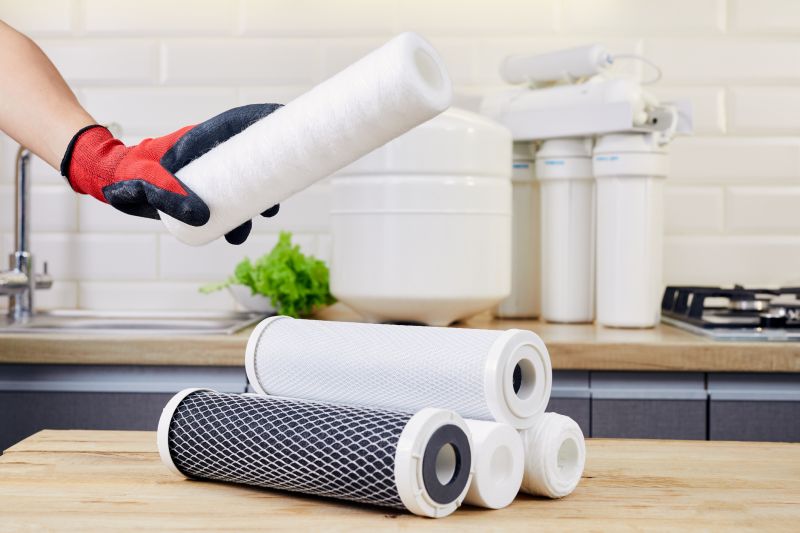
When comparing local contractors for water softener installation, it is important to consider their experience with similar projects. Homeowners should look for service providers who have a proven track record of installing water softeners in homes with comparable water quality issues and plumbing setups. An experienced professional is more likely to understand the nuances of different system types and installation requirements, which can help ensure the job is done correctly and efficiently.
Clear written expectations are essential when evaluating potential service providers. Homeowners should seek contractors who can provide detailed descriptions of the installation process, including what is included in the service and any potential additional work that might be needed. Having this information in writing helps prevent misunderstandings and allows for a more transparent comparison of different options.
Reputable references and good communication are key indicators of a reliable local contractor. Asking for references from previous clients or checking online reviews can provide insights into the quality of workmanship and customer service. Additionally, contractors who are responsive and willing to answer questions clearly can make the process smoother and more predictable. It’s important to remember that this site introduces homeowners to local service providers who can handle the work, rather than performing the installation itself, so taking the time to compare these key factors can lead to a more confident decision.
Property owners use Water Softener Installation services for practical projects around their homes and businesses. This guide focuses on everyday jobs and straightforward project options.
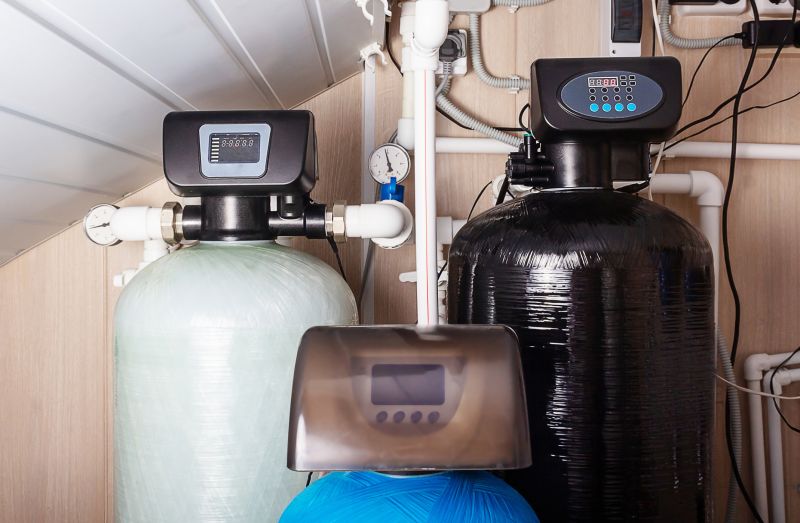
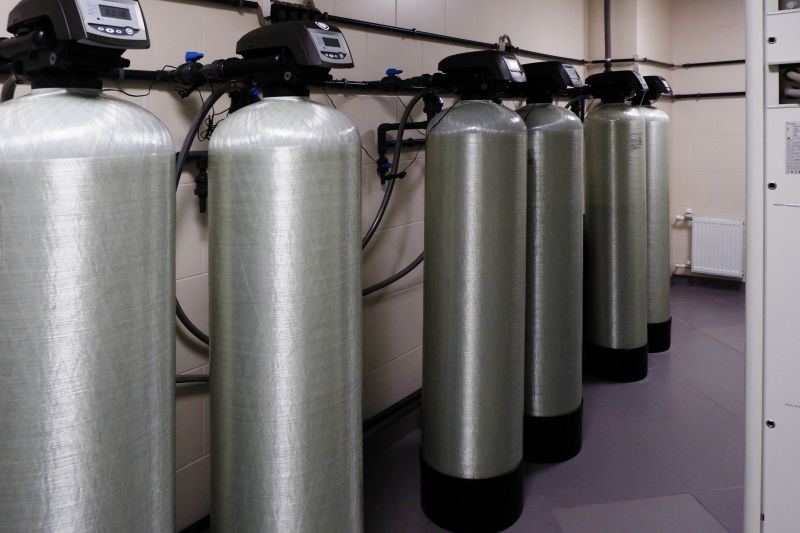
Water softener installation services are often needed when property owners notice issues like hard water stains on fixtures, soap scum buildup, or mineral deposits in appliances. These common problems can affect everyday household tasks, such as washing clothes, cleaning dishes, or maintaining plumbing fixtures. Local contractors can assess the water quality and recommend installation of a water softening system to help improve water clarity and reduce mineral buildup, making daily routines more convenient.
Many property owners seek water softener installation when experiencing ongoing hard water problems that impact their comfort and appliance longevity. Whether upgrading an existing system or installing a new one, local service providers can handle the job to ensure that homes have access to softer water. This service is often in demand in areas with high mineral content in the water supply, providing a practical solution to common water quality concerns.
What are the benefits of installing a water softener? Installing a water softener can help reduce mineral buildup in plumbing and appliances, potentially extending their lifespan and improving water quality for daily use.
How do local contractors typically install water softeners? Local service providers usually assess the home's water needs, select an appropriate system, and install it by connecting it to the main water line, ensuring proper operation.
Can a water softener be integrated with existing plumbing? Yes, most water softener systems are designed to be compatible with standard plumbing setups and can be integrated into existing water lines by experienced contractors.
What maintenance is required after installing a water softener? Regular maintenance generally includes refilling salt, cleaning the system, and checking for any issues, which local service providers can assist with during routine service visits.
Are there different types of water softeners available? Yes, various types such as salt-based ion exchange systems and salt-free alternatives are available, and local contractors can recommend the best option based on specific water conditions.
Improve Water Quality - Installing a water softener can reduce mineral buildup, helping appliances and fixtures last longer and operate more efficiently.
Reduce Soap Scum and Residue - A water softener can make cleaning easier by preventing soap and detergent from forming stubborn residues on surfaces and laundry.
Protect Plumbing Systems - Softening hard water can minimize scale buildup inside pipes, reducing the risk of clogs and costly repairs over time.
Enhance Shower and Faucet Experience - Softer water can make daily routines more comfortable by providing smoother, more pleasant water flow during showers and handwashing.
If you are thinking about Water Softener Installation for a property, this guide is meant to help you understand the work, the typical project types, and how different options might fit your plans.
When you are ready, you can use the quote form on this page to share a few details about your project. From there, local pros can review the basics and respond with options that match what you have in mind.